
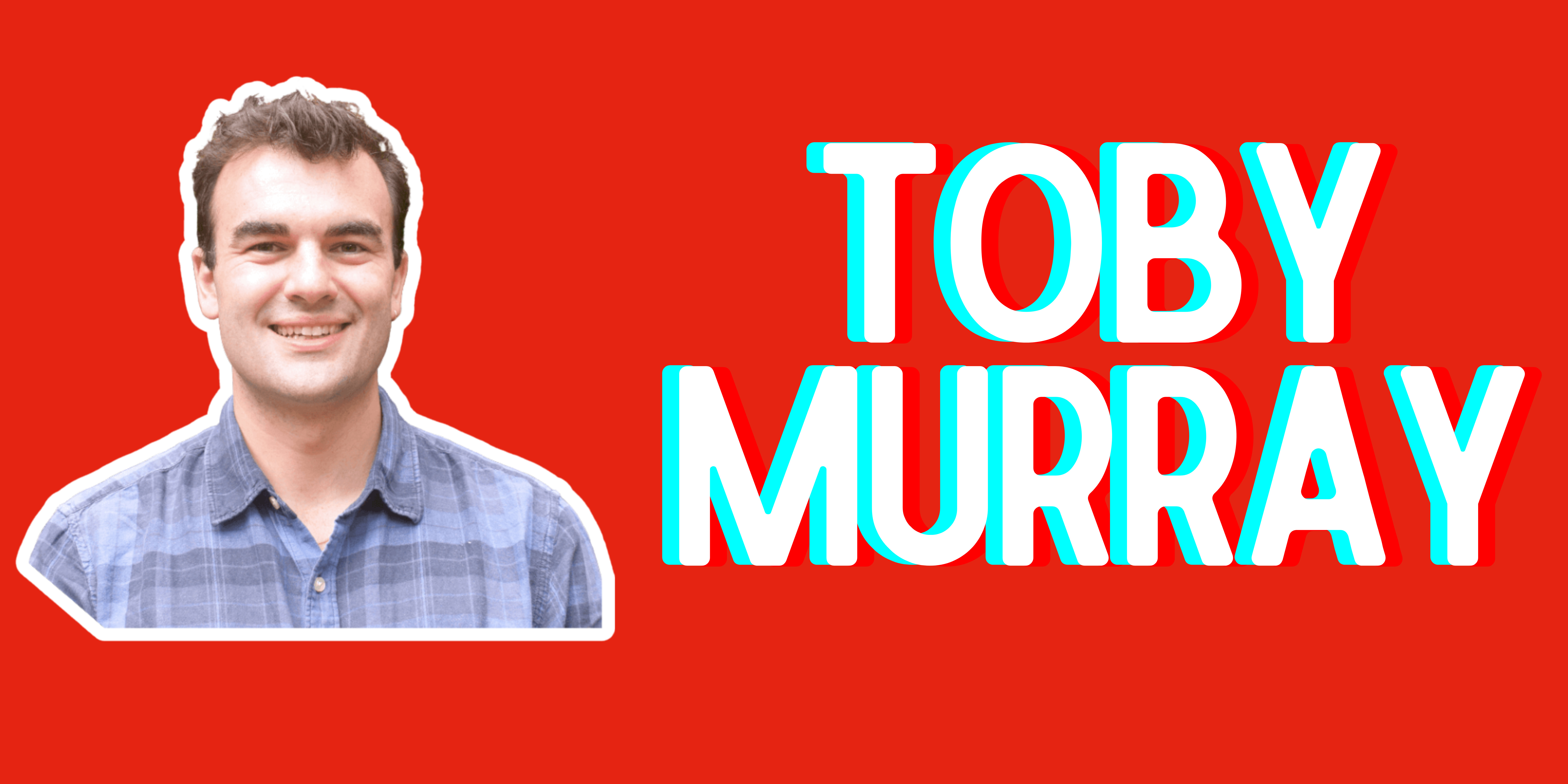
Toby Murray on Debt
A conversation about the systemic nature of household debt.

Dear Reader,
I’ve been looking forward to sharing this interview with Toby Murray from Debt Justice, a brilliant organisation building ‘collective power with the people most affected by personal debt in the UK and public debt in exploited countries.’ They’ve been involved in a number of successful campaigns including an end to the use of bailiffs by Manchester City Council.
I became interested in this topic after reading David Graeber’s Debt: The First 5,000 Years, a monumental book about the history and systemic nature of debt. I cannot recommend this enough. Unfortunately, this is a condensed version of a fascinating and revealing conversation with Toby. But you can follow Debt Justice on socials to keep up-do-date with their campaigns.
Before we get into it, here’s a reminder that you can pre-order my book How Does Change Happen? Which comes out May 29th!
The website refers to the concept of Jubilee as an inspiration to Debt Justice. Could you tell me a bit more about that concept?
We were originally called the Jubilee Debt Campaign, which came at the Jubilee 2000 movement. Jubilee is this old biblical concept that every fifty years you have this year of renewal. There are mechanisms through which older civilisations tried to prevent the concentration of wealth and power by mandating debt forgiveness. I don’t know if you’ve read David Graeber’s Debt?
Oh yes. I love it.
He explores that loads. These regular cycles of debt crisis leading into debt forgiveness and the way that debt and slavery are really entwined. So the Jubilee was about this time of restoring freedom to people in slavery, part of it was about writing off their debt. Those cycles are not exclusively Christian or even Roman. You see that popping up in India and China.
That’s really interesting…
I’ve gone for some reason for the word forgiveness, we don’t believe it should be forgiven, we think it should be cancelled. This is about a system.
That’s a really interesting distinction… Do you find that often we end up talking about debt in the realm of personal responsibility without recognising the systemic nature of it?
There’s such a strong association of debt as a moral failure. That really limits the things you can do when it comes to debt policy. It’s so strongly entrenched. People in debt are there because of systemic forces that are way outside of our control. We saw a massive implosion of household debt throughout the pandemic and it’s still being framed as this is your fault for not managing your energy bill that went up by like… 300-400%. Or your council tax bill that’s gone up 60% in the five years.
When it comes to household debt, how big is the problem in the UK right now?
Our big number is 10.1 million, which is the number of people across the UK who are what we would call over-indebted. That means you’re behind on a bill or you are finding them a really heavy burden. People with unsecured debt; loans, credit cards, household bills. So, 10.1 million is a fifth of the country’s working-age population. What’s really concerning is the way that has grown in the last five years. Pre-pandemic it was 7 million. We suspect it’s gone up again. The nature of that debt has changed as well, increasingly people are in debt for just the essentials of life. Those are debts that are structured in really punitive ways.
Can you give me a sense of what good debt policy might look like? If you were given a policy blank check, how would you spend it?
There is so much that is broken with the system… When you talk to people in debt, bailiffs are the number one thing making their lives miserable. It’s such a driver of bad mental health, and physical health. It’s linked to thousands of people considering suicide every year. Bailiffs are a factor in that, they make people’s lives brutal. We don’t question it. You just know if you’re in debt, bailiffs are going to harass, intimidate and coerce you into paying money you probably don’t have and we just accept that. They’ll take your car, they’ll take your TV… We hear from people that their world shrinks. They feel scared to leave the house or pick up the phone. They’re under no obligation to help you. Every time you interact with a bailiff, that gets added to your debt, you’re paying to be harassed. Often they’ll push you to borrow money from friends and family, or take out credit cards and loans and then you’ll get harassed by more bailiffs. If you got rid of that, it begins to unlock the possibilities of what you could do.
When it comes to a successful campaign, like the recent win around this issue of bailiffs in Manchester, which elements need to be present?
One of the real difficulties of debt is this atomised nature. It’s an individual problem, so often people don’t think about how common an experience it is. We try to make those connections - you’re not alone! Where we had our big successes is by bringing people together who have had experience of debt and grassroots community organising, then supporting that with our national policy campaign. We did some work with a local group and got £300,000 worth of school meal debt written off in Glasgow…
School meal debt…
The idea is wild. The idea you could fall into debt for feeding your kid is bonkers.
“The bad stuff happens when we forget that common humanity.”
The story of Michael Sheen buying other people’s debt has been in the news lately. Does this event point to a potential solution to the debt crisis?
We’re Michael Sheen fans. What’s really important is that the actions of one person, no matter how well intentioned, don’t solve the structural issues. It’s great that he brought such wide attention, and that fact that had such a resonance in the country shows the appetite there is for reforming this stuff. In terms of more systemic solutions, he talks in his documentary about the Fair Banking Act and the work that the Finance Innovation Lab does. We think they do great work. It’s all good stuff. We did some great work with the Centre for Responsible Credit on how we use those markets against themselves. Maybe the appetite for this is growing.
I’ve been really inspired by the work of the Debt Collective. What do you make of this attempt to approach debt from a union perspective? Do you think something like that could be effective in the UK?
I love Debt Collective. They’ve got their own rolling Jubilee. I’d love for it to be replicated in the UK. What they’ve done so brilliantly is build solidarity across a wide range of different experiences.
If I died and left this newsletter to you in my inheritance, who would you interview next?
I was gonna say, after our love for the Debt Collective, it would be Astra Taylor. I think she’s wicked and doing amazing stuff in America, really changing the conversation. Also, Naomi Klein. She’s just predicted where we are gonna be.
How does change happen?
When we come together and discover our common humanity… when we can discover the ways in which we are connected more than we’re delivered. The bad stuff happens when we forget that common humanity.